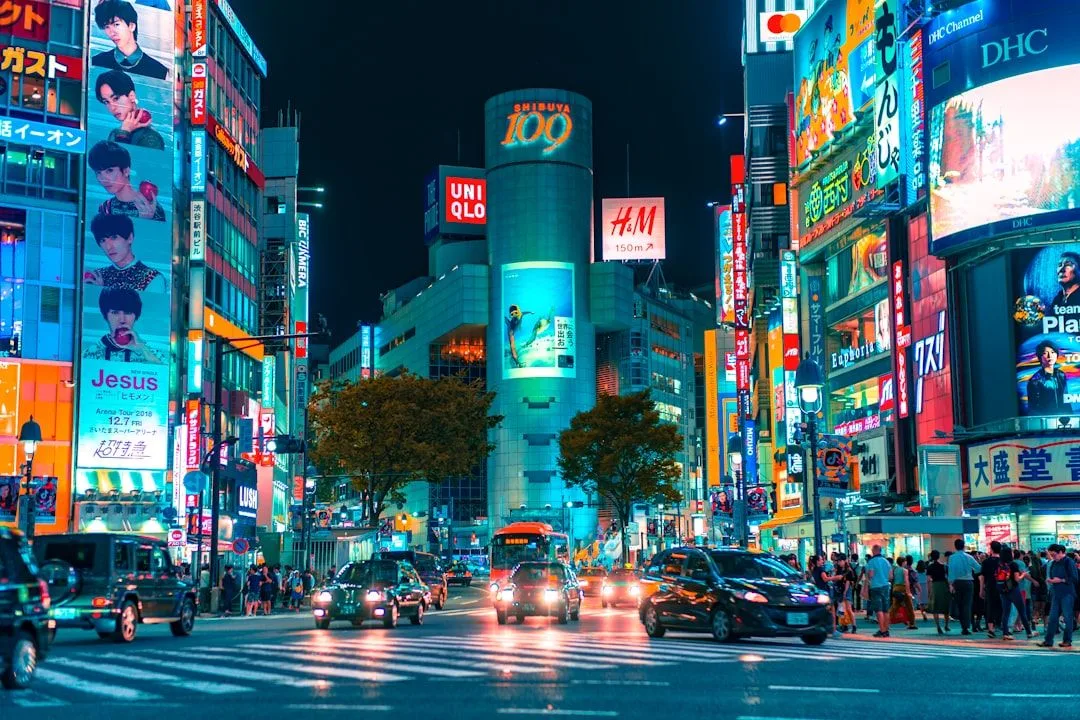
Tokyo is one of the easiest large cities in the world to navigate independently, which sharpens the question of what a group experience actually adds. Three categories genuinely do.
1. Food, once
The clearest case, and worth doing early rather than late.
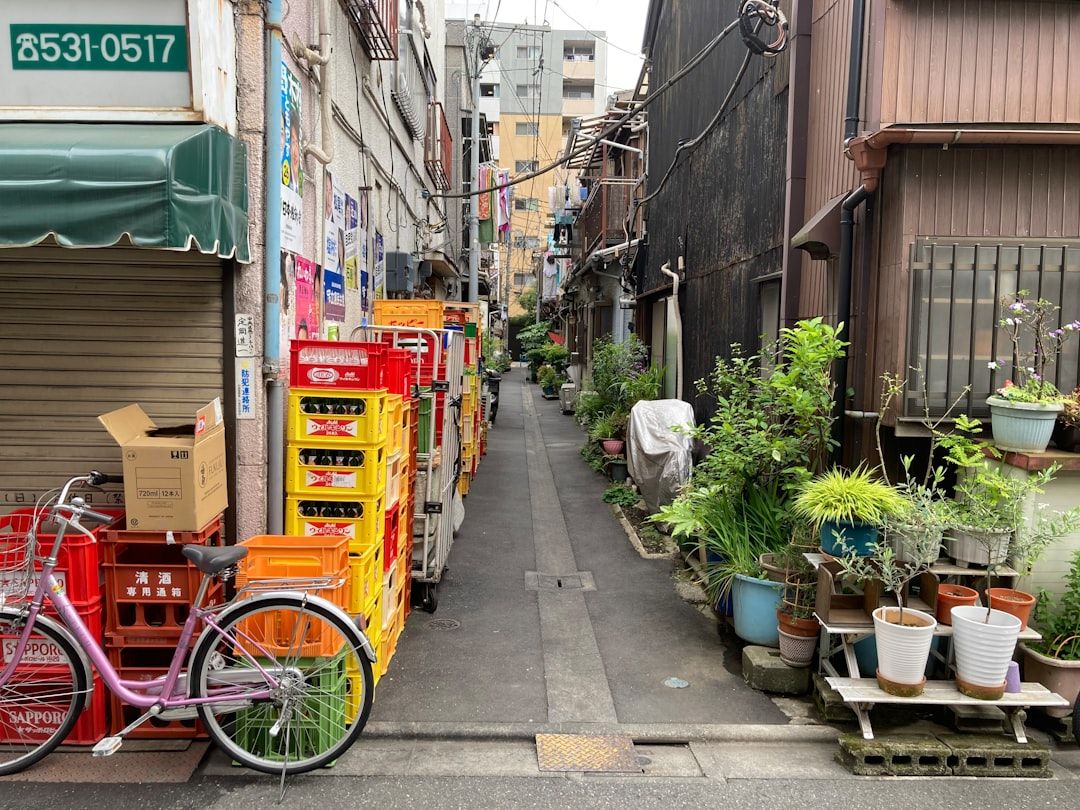
What you learn: how to order at a ticket machine, which is how many good cheap restaurants work. The izakaya conventions — ordering progressively, the otoshi seating charge with a small appetiser that appears on the bill and is not a scam. Regional differences. Which alleys are worth walking.
You then apply all of it for the rest of the trip, which is worth considerably more than the meal itself.
The best ones cover a specific district — Shinjuku's Omoide Yokocho, or the standing bars around Ueno — rather than a general survey.
2. Access you cannot arrange
A sumo stable morning practice. Stables do not generally admit the public directly, and operators with established relationships are the route in.
The etiquette is strict: silence, no eating, no photography in some, and sitting still on the floor for an extended period. It is a working training session rather than a demonstration, which is the point.
A tea ceremony in a small session rather than a large hotel demonstration.
Craft workshops — indigo dyeing, knife making in Kappabashi, ceramics — where the maker is the teacher.
3. Specialist knowledge
Sake tasting with someone who can explain junmai, ginjo and daiginjo, polishing ratios and why the temperature it is served at changes everything. Impossible to work out alone in a language you do not read.
A garden or architecture walk, where the design intentions are deliberate and invisible.
What needs no guide
Almost everything else.
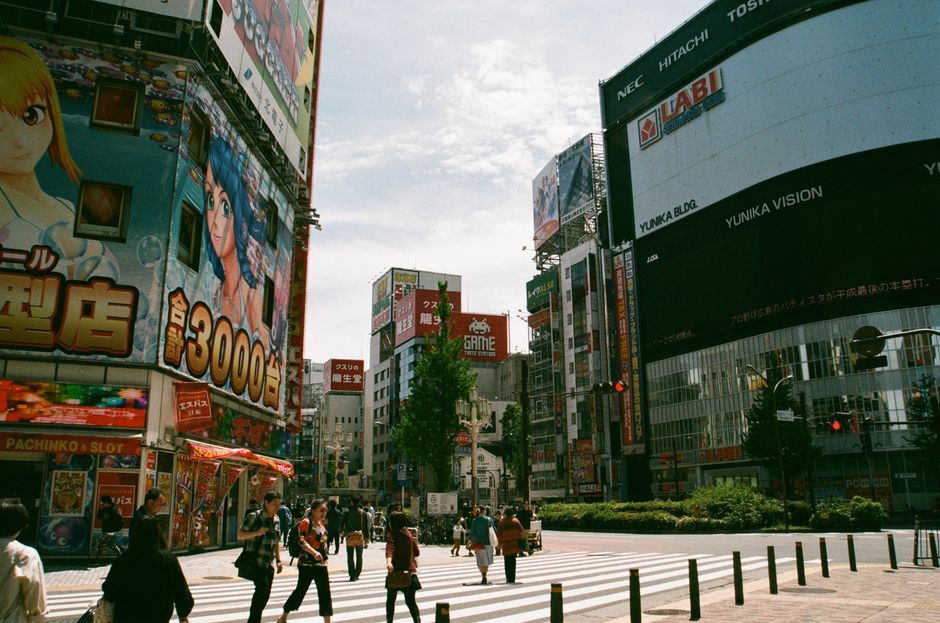
The districts — Shibuya, Shinjuku, Asakusa, Yanaka, Shimokitazawa. Wandering is the activity.
The temples and shrines, which are signposted and free.
The museums, which have English labelling. The Tokyo National Museum in Ueno is the best in the country for Japanese art.
teamLab and the observation decks, which are ticketed and self-guided.
Day trips to Kamakura, Nikkō and Hakone, all straightforward by train.
Group size, which matters more here than most places
Tokyo's good small restaurants seat six to twelve people. A food tour of twenty cannot enter them, which means it visits larger places instead — and the larger places are exactly the ones you could find yourself.
Look for a stated maximum of eight or fewer on any food experience. Below that, the tour goes where the food is; above it, the tour goes where the group fits.
Practical
Get a Suica or Pasmo IC card at the airport for all local transport and convenience stores.
Skip the JR Pass for a Tokyo-only trip — it is priced for intercity shinkansen travel and will not pay off.
Cash still matters at small restaurants, shrines and older shops. 7-Eleven ATMs accept foreign cards.
Last trains run around midnight and the network stops until roughly 5am.